Packaging 101: The Complete Guide
- Packaging 101
- Types of Packaging
- Aseptic Packaging
- Blister Packaging
- Biodegradable Packaging
- Bulk Packaging
- Carbon Neutral Packaging
- Circular Packaging
- Clamshell Packaging
- Compostable Packaging
- Cornstarch Packaging
- Corrugated Packaging
- Discreet Packaging
- Ecommerce Packaging
- Flexible Packaging
- Frustration Free Packaging
- Retail Packaging
- Secondary Packaging
- Smart Packaging
- Sustainable Packaging
- What is a PR Package?
- What is a Poly Mailer?
- Packaging Design Ideas
- AI Packaging Design
- Bakery Packaging Ideas
- Bath Bomb Packaging Ideas
- Bath Salt Packaging Ideas
- Body Butter Packaging Ideas
- Body Oil Packaging Ideas
- Body Scrub Packaging Ideas
- Brownie Packaging Ideas
- Cake Packaging Ideas
- Cake Pop Packaging Ideas
- Candle Packaging Ideas
- Candy Packaging Ideas
- Canva Packaging Design
- Chocolate Packaging Ideas
- Cinnamon Roll Packaging Ideas
- Clothing Packaging Ideas
- Coaster Packaging Ideas
- Coffee Bag Design Ideas
- Cookie Packaging Ideas
- Cosmetics Packaging Design
- Cotton Candy Packaging Ideas
- Cupcake Packaging Ideas
- DIY Packaging Ideas
- Dog Treat Packaging Ideas
- Food Packaging Ideas
- Empanada Packaging Ideas
- Etsy Packaging Ideas
- French Fries Packaging Ideas
- Frozen Food Packaging Ideas
- Hair Extension Packaging Ideas
- Handbag Packaging Ideas
- Jewelry Packaging Ideas
- Keychain Packaging Ideas
- Lash Packaging Ideas
- Lip Gloss Packaging Ideas
- Macaron Packaging Ideas
- Minimalist Packaging Ideas
- Mug Packaging Ideas
- New Employee Welcome Kit Ideas
- Packaging Colors
- Packaging Inserts Ideas
- Packaging Logo Design
- Packaging Typography
- Perfume Box Design Ideas
- Pizza Box Design Ideas
- Popcorn Packaging Ideas
- Scarf Packaging Ideas
- Skincare Packaging Design Ideas
- Soap Packaging Ideas
- Sock Packaging Ideas
- Sticker Packaging Ideas
- Sunglass Packaging Ideas
- Sustainable Packaging Ideas
- Tea Packaging Ideas
- Wax Melt Packaging Ideas
- Weed Packaging Ideas
- T-Shirt Packaging Ideas
- Wine Packaging Design Ideas
- What is a Packaging Engineer?
- Types of Packaging Materials
- Chipboard vs Cardboard
- Compostable Packaging Materials
- Alternatives to Plastic Packaging
- Edible Packaging Materials
- Food Packaging Materials
- Are Poly Mailers Recyclable?
- How to Recycle Cardboard Boxes
- How to Recycle Packaging Materials
- Medical Device Packaging Materials
- Mono Material Packaging
- Pharmaceutical Packaging Materials
- Plastic Food Packaging
- Protective Packaging Materials
- Reusing Packaging Materials
- Types of Packaging Foam
- Void Fill Packaging
- What is Chipboard?
- What is Kraft Paper?
- Offset vs Digital Printing
- RGB vs CMYK Printing
- Screen Printing vs Digital Printing
- Screen Printing vs Sublimation
- What is a Dieline in Packaging?
- What is Die Cutting?
- What is Digital Printing?
- What is Flexographic Printing?
- What is Glassine Paper?
- What is Offset Printing?
- What is Spot UV Printing?
- Why is 300 DPI Good for Printing?
- How to Estimate Shipping Costs
- How to Pack Glass for Shipping
- How to Mail a Bubble Mailer
- How to Make a Shipping Label
- How To Measure Box Dimensions and Sizes
- How to Ship Alcohol
- How to Ship Artwork
- How to Ship Books
- How to Ship a Cake
- How to Ship Candles
- How to Ship Chocolate
- How to Ship Clothes
- How to Ship Cookies
- How to Ship Food
- How to Ship a Hat
- How to Ship Jewelry
- How to Ship a Laptop
- How to Ship Perfume
- How to Ship a PC
- How to Ship Perishable Food
- How to Ship Plants
- How to Ship Shoes
- How to Ship Vinyl Records
- Packaging Symbols
- Shipping Large Items
- What is a Delivery Exception?
- What is Shipping Insurance?


Meet Kyla Moore, the dynamic project coordinator at Arka, who is driven by her passion for sustainable packaging. She is dedicated to assisting businesses.
Unique DIY Packaging Ideas to Unleash Your Brand’s Potential
The best packaging approach depends on your product, audience, and brand personality. You can use one idea on its own or combine several elements to create a consistent look across your product range.
1. Custom Stickers and Labels
Stickers and labels are an affordable way to add branding to almost any package. Use them to display your logo, product details, care instructions, or a short message to customers.
Choose colors and typography that complement your overall visual identity. You can place stickers on the outside of a box, seal wrapping paper with them, or use them inside the package as an additional branded detail.
Explore custom stickers to create branded packaging accents.
2. Reusable Fabric Bags for DIY Packaging
Fabric bags offer an alternative to conventional paper packaging, particularly for jewelry, accessories, cosmetics, and other small products. Customers can reuse them for storage or travel, giving the packaging a purpose beyond the initial purchase.
Choose a fabric that suits your product and add a printed or embroidered logo. A small tag explaining how customers can reuse the bag can reinforce your brand’s sustainability message.
3. Nature-Inspired Materials
If your brand emphasizes natural ingredients, handmade processes, or sustainability, use packaging materials and finishes that reflect those values.
Consider kraft paper, recycled cardboard, hemp, or bamboo-based materials where suitable. Botanical illustrations, earthy colors, and textured finishes can complete the look. Keep the design aligned with your existing brand palette rather than relying on green and brown simply to suggest an eco-friendly image.
For more material options, see our guide to different types of packaging materials.
4. Transparent Window Boxes
Window boxes let customers see part of the product without opening the package. This works particularly well for handmade items with distinctive colors, textures, or decorative details.
Use a clear window to highlight the product while keeping the rest of the box branded. Make sure the window material and closure provide enough protection for storage and shipping. For delicate products, consider adding an insert to prevent movement inside the box.
5. Personalized Wrapping Paper
Custom wrapping paper can make even simple packaging feel considered. Print it with your logo, brand patterns, illustrations, or seasonal designs.
For a more personal touch, include handwritten notes, names, or short messages. This approach works especially well for gift-oriented businesses and limited-edition collections. Choose paper that is easy to fold and secure without making the unboxing process unnecessarily complicated.
6. Custom DIY Packaging Boxes
A custom box gives you more control over the size, structure, and appearance of your packaging. You can use branded printing, distinctive colors, illustrations, or a simple logo to make the design recognizable.
Start by choosing a box style that fits the product. A snug fit helps reduce movement during shipping, while inserts or dividers can provide additional protection for fragile items.
Arka offers custom mailer boxes and custom shipping boxes for different packaging needs.
7. Custom Tapes and Stamps
Branded tape and stamps are simple ways to customize plain boxes, paper bags, and wrapping materials. They are particularly useful for small businesses that want to add a consistent brand element without printing every packaging component.
Use your logo, brand name, or a repeating pattern. Stamps can also be applied to kraft paper or tags, while custom tape can secure boxes and reinforce the visual identity of the package.
You can use custom packing tape to add branding to your parcels.
8. Custom Bubble Mailers
Bubble mailers combine an outer packaging layer with cushioning, making them useful for shipping smaller items that need extra protection. They can work well for accessories, craft supplies, and lightweight handmade products.
Choose a mailer that fits the product without excessive empty space. Add a logo, branded label, or custom tape to make the exterior more distinctive. For products that need more substantial protection, consider a box instead.
9. Vibrant Tissue Paper
Tissue paper adds color and an extra layer to the unboxing experience. Use a single shade that matches your brand or combine complementary colors for a more playful presentation.
You can also print tissue paper with your logo or a repeating pattern. Wrap individual products separately when needed to prevent scratches or contact damage, and secure the paper with a branded sticker.
Explore custom tissue paper for a coordinated packaging design.
10. Personalized Thank-You Notes
A thank-you note is a small addition that can make an order feel more personal. Include a short message expressing appreciation for the purchase or support of your business.
Handwritten notes work well for small order volumes, while printed cards are easier to manage as your business grows. You can also include a discount code, product care instructions, or a request to share a photo of the purchase.
Keep the message genuine and concise so it feels like part of the customer experience rather than a sales pitch.
11. Eco-Friendly Packaging Materials
If sustainability is part of your brand's values, consider recycled, recyclable, or compostable packaging materials where appropriate. Options may include recycled paper, corrugated cardboard, paper-based cushioning, and certified compostable alternatives.
The right choice depends on the product and shipping conditions. Fragile items still need sufficient cushioning, and material claims should be accurate. Add clear disposal instructions so customers understand how to handle each packaging component.
For more inspiration, explore these eco-friendly packaging ideas.
12. Retro Tin Boxes
Tin boxes can give handmade products a nostalgic or collectible feel. They are suitable for items such as small accessories, craft supplies, candles, and specialty gifts, depending on the size and construction.
Choose a vintage-inspired color palette, typography, or illustration style to support the theme. You could also introduce tins as limited-edition packaging for seasonal collections. Since customers may reuse them, make sure the design and construction are durable enough for repeated handling.
13. Classic Brown Paper and Twine
Brown kraft paper and twine create a simple, understated packaging style. This combination works particularly well for handmade products, rustic brands, and businesses that prefer a minimal look.
Wrap the product securely, then finish the package with a branded tag, sticker, or small card. You can also use a custom stamp to add your logo directly to the paper.
Kraft paper and twine are not automatically suitable for every recycling system, so check the materials and any coatings before making environmental claims.
14. Velvet Finishes and Glitters
Velvet textures, metallic details, and glitter accents can give packaging a more decorative appearance. These finishes are often suitable for premium gifts, jewelry, and special-edition products.
Use them selectively. A velvet-textured box with a subtle metallic logo may look more refined than a design that combines several competing decorative elements. Consider whether the added finish is practical for your production budget and the way the package will be handled.
15. Vintage Newspaper Wraps
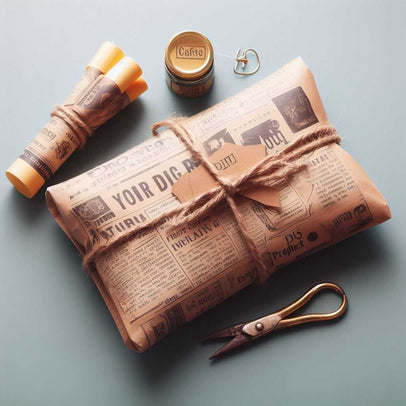
Newspaper-style wrapping can give packaging a distinctive vintage character. You can use actual newspaper for a casual presentation or print custom paper featuring brand stories, product information, or themed illustrations.
This approach works well for brands with retro or handmade aesthetics. However, newspaper is not designed to provide strong protection on its own. Pair it with a suitable inner wrap, box, or cushioning material when shipping delicate products.
16. Foil Stamping for DIY Packaging
Foil stamping adds a metallic finish to logos, lettering, and decorative details. Gold, silver, and other foil colors can help create a polished look, particularly for gift packaging and premium product lines.
Use foil to highlight one or two elements rather than covering the entire design. A restrained application can make the brand name or logo stand out without overwhelming the packaging.
6 Best Tips for Crafting Eye-Catching DIY Packaging
A creative packaging concept still needs to work in practice. Keep these six considerations in mind when developing your design.
1. Personalize Your Packaging Design
Use design elements that make the package recognizable as part of your brand. This could include a logo, a signature color, a repeating pattern, or a short message.
Personalization should be consistent across the box, labels, inserts, and other packaging components. A cohesive design is more effective than adding unrelated decorative elements.
2. Embrace Unconventional Shapes
A distinctive package shape can help your product stand out on a shelf or in a delivery. Consider custom die-cut shapes, unusual openings, or boxes inspired by the product itself.
However, appearance should not come at the expense of function. The package must be easy to assemble, store, and ship while providing adequate protection.
3. Add Surprise Inserts and Gifts
Small additions can make an order feel more thoughtful. Consider including a thank-you card, product sample, care guide, discount code, or branded sticker.
Choose inserts that are relevant to the purchase and do not add unnecessary weight or bulk. If you need help planning the inside of a box, explore these packaging insert ideas.
4. Prioritize Product Safety and Protection
Packaging must protect the product throughout storage, handling, and delivery. Fragile items may need dividers, cushioning, or fitted inserts, while sturdier products may require less protective material.
Choose the packaging structure based on the product's weight, shape, and fragility. Test the finished package before shipping orders to identify weak closures or areas where the product can move.
5. Use Typography as a Design Element
Typography influences how customers perceive your brand and how easily they understand the information on the package.
Choose fonts that match your brand personality, but make sure essential details remain readable. Pay attention to font size, contrast, and spacing, especially for product names, instructions, and labels.
For more guidance, read our article on packaging typography.
6. Choose Materials With Sustainability in Mind
Consider the full lifecycle of your packaging, including how materials are sourced, used, and disposed of. Recycled paper, recyclable cardboard, and suitable compostable materials may be good options depending on your product and shipping requirements.
Avoid combining materials that are difficult to separate unless the design provides a clear practical benefit. If you describe packaging as recyclable or compostable, make sure the claim applies to the actual material and available disposal conditions.
Final Thoughts
DIY packaging gives businesses an opportunity to make their products more recognizable while creating a better customer experience. The right approach depends on what you sell, how you ship it, and what your customers value.
Start with a packaging structure that protects the product, then build the visual design around your brand. Stickers, custom wrapping, personalized notes, and distinctive finishes can all make a difference without requiring an elaborate package. Test your design before using it for every order, and refine it based on cost, practicality, and customer feedback.
FAQs About DIY Packaging Ideas
What are some budget-friendly DIY packaging ideas?
Brown kraft paper, twine, custom stamps, and simple stickers are affordable ways to personalize packaging. You can also use printed thank-you cards or branded labels to add a recognizable detail without investing in fully customized boxes.
Which DIY packaging ideas are suitable for fragile items?
Fragile products need packaging that prevents movement and absorbs impact. Consider sturdy cardboard boxes, foam or paper-based inserts, dividers, and suitable cushioning materials. The best combination depends on the item's size, weight, and fragility. Test the package before shipping to check whether it offers enough protection.
Are DIY packaging ideas suitable for all occasions?
Many DIY packaging styles can be adapted for different occasions, but the design should suit the product and recipient. Personalized wrapping paper and thank-you notes work well for gifts, while simple kraft packaging may suit everyday orders. Seasonal colors, limited-edition designs, and themed labels can also help prepare packaging for specific events.