
Packaging 101: The Complete Guide
- Packaging 101
- Types of Packaging
- Aseptic Packaging
- Blister Packaging
- Biodegradable Packaging
- Bulk Packaging
- Carbon Neutral Packaging
- Circular Packaging
- Clamshell Packaging
- Compostable Packaging
- Cornstarch Packaging
- Corrugated Packaging
- Discreet Packaging
- Ecommerce Packaging
- Flexible Packaging
- Frustration Free Packaging
- Retail Packaging
- Secondary Packaging
- Smart Packaging
- Sustainable Packaging
- What is a PR Package?
- What is a Poly Mailer?
- Packaging Design Ideas
- AI Packaging Design
- Bakery Packaging Ideas
- Bath Bomb Packaging Ideas
- Bath Salt Packaging Ideas
- Body Butter Packaging Ideas
- Body Oil Packaging Ideas
- Body Scrub Packaging Ideas
- Brownie Packaging Ideas
- Cake Packaging Ideas
- Cake Pop Packaging Ideas
- Candle Packaging Ideas
- Candy Packaging Ideas
- Canva Packaging Design
- Chocolate Packaging Ideas
- Cinnamon Roll Packaging Ideas
- Clothing Packaging Ideas
- Coaster Packaging Ideas
- Coffee Bag Design Ideas
- Cookie Packaging Ideas
- Cosmetics Packaging Design
- Cotton Candy Packaging Ideas
- Cupcake Packaging Ideas
- DIY Packaging Ideas
- Dog Treat Packaging Ideas
- Food Packaging Ideas
- Empanada Packaging Ideas
- Etsy Packaging Ideas
- French Fries Packaging Ideas
- Frozen Food Packaging Ideas
- Hair Extension Packaging Ideas
- Handbag Packaging Ideas
- Jewelry Packaging Ideas
- Keychain Packaging Ideas
- Lash Packaging Ideas
- Lip Gloss Packaging Ideas
- Macaron Packaging Ideas
- Minimalist Packaging Ideas
- Mug Packaging Ideas
- New Employee Welcome Kit Ideas
- Packaging Colors
- Packaging Inserts Ideas
- Packaging Logo Design
- Packaging Typography
- Perfume Box Design Ideas
- Pizza Box Design Ideas
- Popcorn Packaging Ideas
- Scarf Packaging Ideas
- Skincare Packaging Design Ideas
- Soap Packaging Ideas
- Sock Packaging Ideas
- Sticker Packaging Ideas
- Sunglass Packaging Ideas
- Sustainable Packaging Ideas
- Tea Packaging Ideas
- Wax Melt Packaging Ideas
- Weed Packaging Ideas
- T-Shirt Packaging Ideas
- Wine Packaging Design Ideas
- What is a Packaging Engineer?
- Types of Packaging Materials
- Chipboard vs Cardboard
- Compostable Packaging Materials
- Alternatives to Plastic Packaging
- Edible Packaging Materials
- Food Packaging Materials
- Are Poly Mailers Recyclable?
- How to Recycle Cardboard Boxes
- How to Recycle Packaging Materials
- Medical Device Packaging Materials
- Mono Material Packaging
- Pharmaceutical Packaging Materials
- Plastic Food Packaging
- Protective Packaging Materials
- Reusing Packaging Materials
- Types of Packaging Foam
- Void Fill Packaging
- What is Chipboard?
- What is Kraft Paper?
- Offset vs Digital Printing
- RGB vs CMYK Printing
- Screen Printing vs Digital Printing
- Screen Printing vs Sublimation
- What is a Dieline in Packaging?
- What is Die Cutting?
- What is Digital Printing?
- What is Flexographic Printing?
- What is Glassine Paper?
- What is Offset Printing?
- What is Spot UV Printing?
- Why is 300 DPI Good for Printing?
- How to Estimate Shipping Costs
- How to Pack Glass for Shipping
- How to Mail a Bubble Mailer
- How to Make a Shipping Label
- How To Measure Box Dimensions and Sizes
- How to Ship Alcohol
- How to Ship Artwork
- How to Ship Books
- How to Ship a Cake
- How to Ship Candles
- How to Ship Chocolate
- How to Ship Clothes
- How to Ship Cookies
- How to Ship Food
- How to Ship a Hat
- How to Ship Jewelry
- How to Ship a Laptop
- How to Ship Perfume
- How to Ship a PC
- How to Ship Perishable Food
- How to Ship Plants
- How to Ship Shoes
- How to Ship Vinyl Records
- Packaging Symbols
- Shipping Large Items
- What is a Delivery Exception?
- What is Shipping Insurance?


Discover Phillip Akhzar’s journey, the Founder and CEO of Arka, bringing 16 years of expertise in packaging and supply chain logistics. Read more on Arka.
Importance of Proper Cake Shipping: 5 Factors
Shipping cakes, whether pound cakes, bundt cakes, or birthday cakes adorned with icing, demands careful consideration to ensure they arrive in perfect condition. The art of shipping a cake hinges on several crucial factors. Understanding these can transform the daunting task into a piece of cake.
1. Packaging is key: Knowing how to package a cake for shipping is fundamental. The right packaging safeguards the cake during transit, ensuring it remains as beautiful and tasty as when it left your kitchen. Place the cake, already on a rigid board, inside a single‑wall 200 # / 32 ECT carton for loads ≤ 10 lb (4.5 kg) or a double‑wall 275 # / 48 ECT carton for heavier shipments. Wrap the cake in food‑grade film, then add 2 in (5 cm) of cushioning on every side. This layered system absorbs vibration, limits temperature swings, and keeps icing or delicate décor from shifting.
2. Timing matters: When you explore how to ship a cake overnight, timing becomes your ally. Shipping a cake overnight minimizes the time it spends in transit, reducing the risk of spoilage or damage. Always ship Monday–Wednesday by next‑day air so the package never sits in a weekend hub. A short transit window keeps cream‑ or fruit‑filled cakes at food‑safe temperatures and slashes the risk of condensation damage.
3. Cost considerations: It is crucial to understand how much it costs to ship a cake. Rates depend on dimensional weight, distance, and service speed. Balancing budget against freshness often means paying for next-day service.
4. Special cakes need special attention: Learning how to ship a frozen cake, pound cake, or bundt cake requires knowledge of the unique needs of these cakes. Frozen cakes may require dry ice (with hazmat labeling); dense pound cakes tolerate vibration better than sponge layers; Bundt cakes need internal bracing so the ring doesn’t flex.
5. Follow regulations and guidelines: Lastly, it's important to be aware of any regulations regarding how to send a cake in the mail, especially for international shipments. Check carrier rules for perishables and dry ice before you ship. USPS allows up to 5 lb of dry ice per box by air and none in international mail, and food sent abroad has to meet the destination country's import rules.
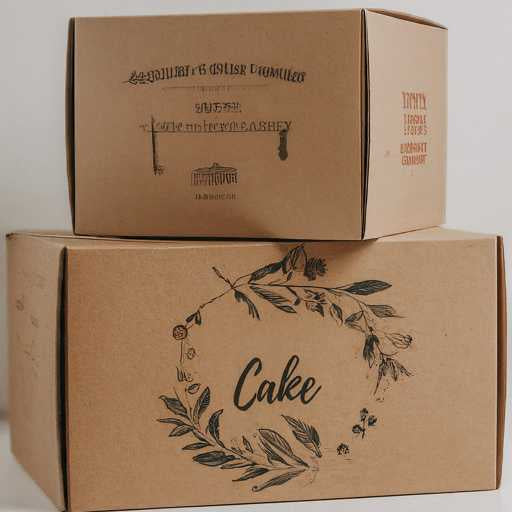
How to Package a Cake for Shipping: 8 Steps
Shipping a cake requires careful preparation and packaging to ensure it arrives in perfect condition. Here's a concise guide on how to accomplish this task smoothly.
Prepare the Cake for Shipment
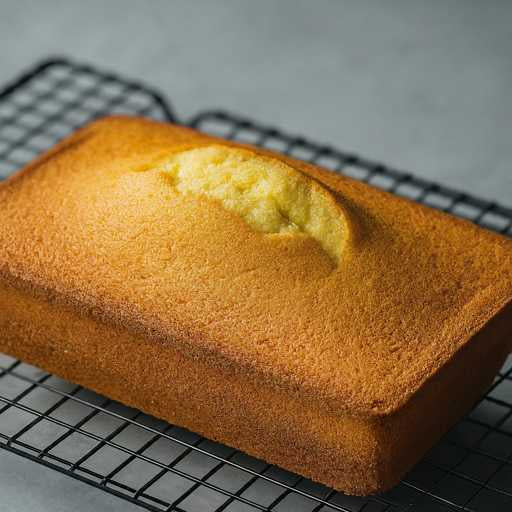
Select a cake that can withstand shipping to ensure your cake is ready for its journey. Not all cakes are suitable for mail; dense cakes like pound cakes are ideal. Before you understand how to ship a cake, make sure it has cooled completely. Shipping a warm cake can lead to a sticky, melted mess upon arrival.
Select the Appropriate Packaging Materials
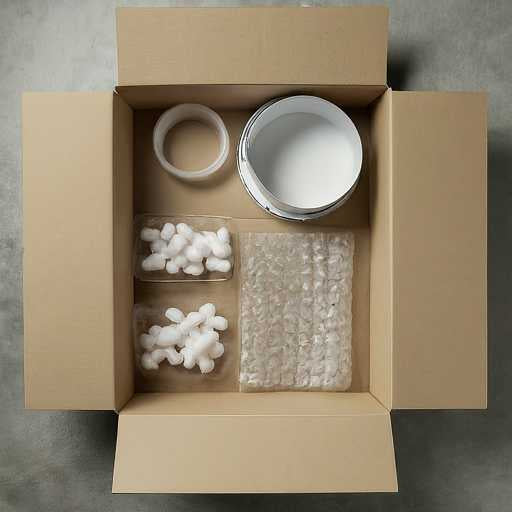
The right packaging materials are important for safe cake delivery. Opt for sturdy custom boxes and materials that protect the cake from external pressures. When considering how to mail a cake, the integrity of your packaging materials can make all the difference. Choose a cake box sized so the cake board can't slide more than ½ in (1 cm), then an outer single-wall 32 ECT corrugated box; Arka rates its 32 ECT boxes to hold 30–40 lb of product. Line the walls with an EPS foam liner, put gel packs on the top and sides, and fill any gaps with food-safe air pillows or bubble wrap (kept outside the inner wrap) so the cake box can't shift.
Select the Right Cake Box
Choosing the correct box size is vital; it should snugly fit the cake to prevent movement. Arka's custom shipping boxes and mailer box are excellent choices for those wondering how to ship cakes effectively. They offer sturdy packaging options that can be enhanced with ice packs or insulated packaging for temperature-sensitive cakes, such as when you need to know how to ship a birthday cake during warmer months.
Properly Pack Cakes
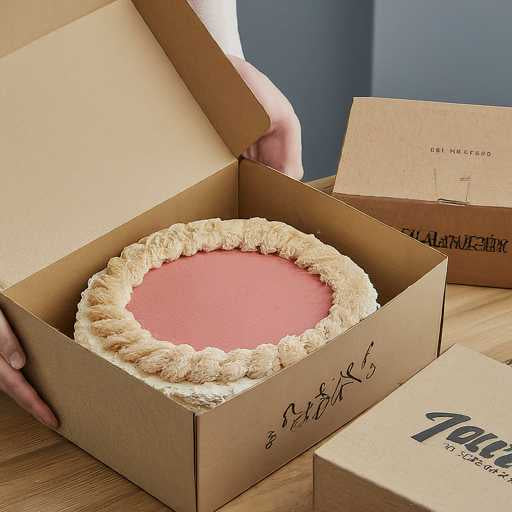
Prepare your fully assembled and cooled cake by placing it on a sturdy cake board that extends slightly beyond the cake's base. Wrap the entire cake and board in plastic wrap, ensuring a tight seal to preserve freshness and prevent contamination.
Place the wrapped cake in a cake box or food‑safe container that fits snugly but allows minimal movement. Fill any empty spaces with food‑safe cushioning, tissue paper, foam inserts, or bubble wrap positioned outside the sealed inner wrap, so no packing material comes into direct contact with the cake. Never use packing peanuts or other non‑food‑safe loose fill that could contaminate your dessert.
Food Safety Considerations
When shipping cakes, food safety should be your top priority:
∙
Use food-safe films, parchment and boards.
∙
Keep the cake at 40 °F or below until you ship it, and pack enough coolant to last 24 hours past the delivery commitment.
∙ Prevent cross‑contamination by sealing the cake first; only then add non‑food cushioning (e.g., bubble wrap) outside that sealed layer.
∙ Label “PERISHABLE — REFRIGERATE UPON ARRIVAL” and include a quick‑response card with storage directions.
Securing Inside the Cake Box
Place the cake safely in the center and fill empty spaces to avoid movement. Use bubble wrap and padded layers for cushioning against impact, emphasizing the importance of shock absorption. Secure everything with custom packaging tape to ensure the contents remain stationary throughout the journey.
Label and Address the Package
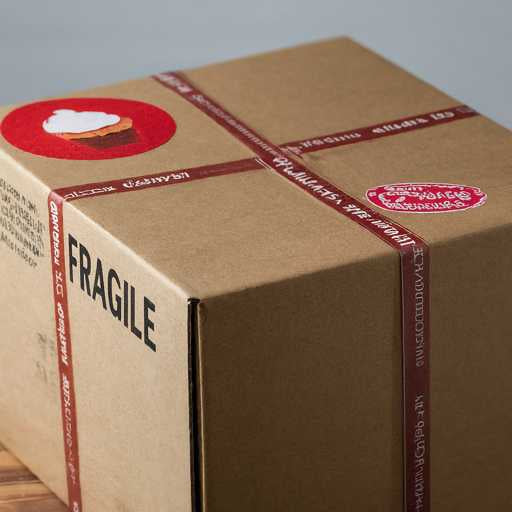
Clear labeling is paramount. Mark the package as a "Fragile item" packaging symbol to alert handlers. Include address information, custom stickers for visibility, and necessary documentation like invoices and receipts. This step reassures the sender and receiver, ensuring the cake's safe and traceable shipment.
Select the Right Shipping Carrier
Compare shipping options from postal to private courier services, considering cost considerations like weight-based pricing and shipping insurance options. The choice of carrier can significantly affect the delivery time and condition of the cake upon arrival.
Tracking and Monitoring
Utilize online tracking tools provided by the carrier. Whether it's carrier-specific platforms or updates for customers, notifying them of the tracking numbers allows for real-time monitoring of the shipment's progress, providing peace of mind to all parties involved.
How to Ship Cakes During Extreme Weather
Shipping a cake under normal conditions requires careful planning, but extreme weather adds another layer of complexity. Whether it's the scorching heat of summer or the biting cold of winter, the weather can significantly impact how to ship a cake safely to its destination.
• Impact of Weather on Cake Shipping: Extreme temperatures can compromise the integrity of a cake, affecting everything from its appearance to its taste. Heat can cause the frosting to melt and decorations to slide off, while cold can dry out the cake and crack the icing. Adopting the right strategies ensures your cake arrives in perfect condition, no matter the weather.
• Hot Weather Considerations: In hot weather, choose materials that insulate and reflect heat away from the cake box. Gel packs or dry ice can help keep the cake cool, but ensure they don't directly touch the cake to avoid moisture damage. Opting for sturdy icings, like fondant over buttercream, can also prevent melting.
• Cold Weather Precautions: For sub-freezing routes, FedEx suggests letting gel packs warm to room temperature (about 72 °F) and placing them around the cake inside an insulated shipper, so they act as heat sinks and help keep it from freezing.
• Overnight Shipping: Regardless of the weather, overnight shipping is often the best option for cake delivery. It minimizes the time the cake is exposed to potentially damaging conditions and reduces the risk of spoilage.
• Temperature-Controlled Shipping: Consider temperature-controlled shipping options for the ultimate protection against extreme weather. Though more expensive, this method offers the best assurance that your cake will maintain its desired temperature from departure to arrival.
Shipping Cakes by Type: Key Considerations
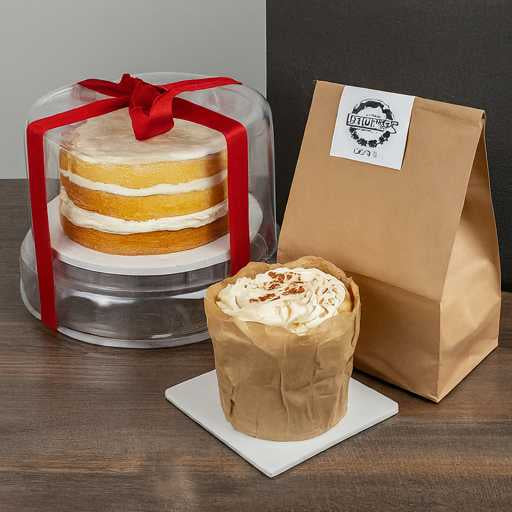
Here's a brief guide on how to ship a cake based on its type, incorporating the essential steps and tips for a successful delivery. Let’s uncover the best cake packaging ideas;
How to Ship a Pound Cake
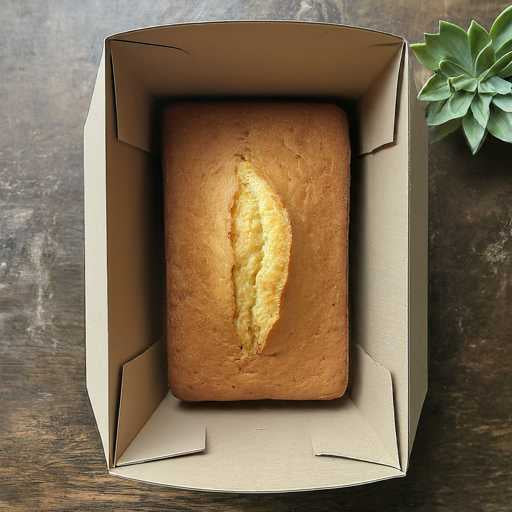
To ship a pound cake, wrap it tightly in plastic wrap to preserve its moisture. Then, use a sturdy box slightly larger than the cake, padding the bottom and sides with food-safe cushioning materials such as bubble wrap, tissue paper, or foam inserts. Never use packing peanuts, as they can contaminate food products. This method ensures the cake remains intact during transit.
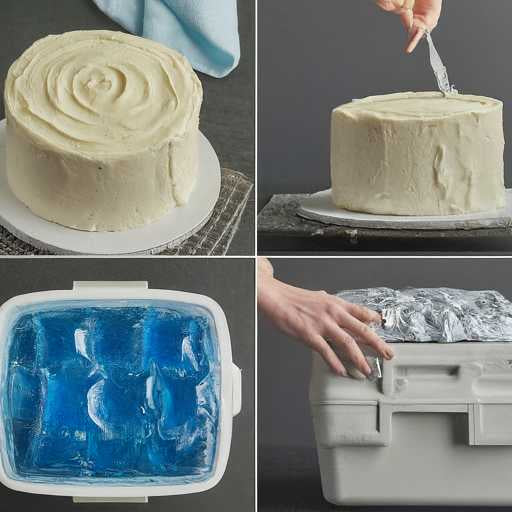
How to Ship a Cake With Icing
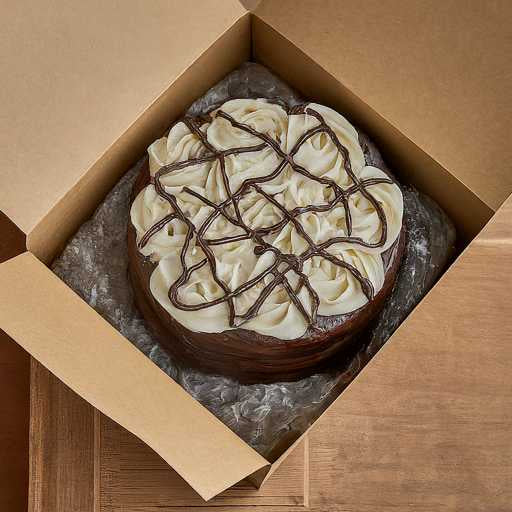
Cakes with icing present a bit more of a challenge due to their delicate nature. To ship a cake with icing, freeze the cake first to harden the icing. Once frozen, wrap the cake in plastic wrap and then aluminum foil. Place it in a pre-chilled shipping box with cold packs around it to keep it cool. Ensure the box is well-insulated to prevent heat from entering and melting the icing.
How to Ship a Bundt Cake
Bundt cakes, with their unique shape, require careful packing. Shrink‑wrap the cooled Bundt, then insert a food‑safe foam plug or parchment‑filled core in the center to keep the ring from flexing. Place the cake in a clamshell or round tin that matches its diameter, and surround that container with at least 2 in (5 cm) of void fill, as UPS advises, so nothing shifts in transit.
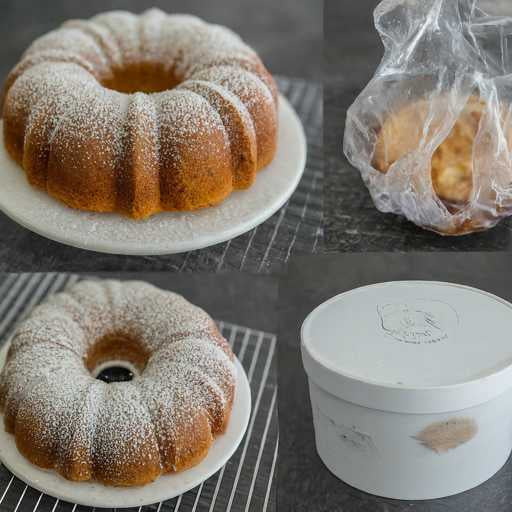
How to Ship a Homemade Cake
Shipping a homemade cake requires a personal touch to ensure it arrives as intended. Wrap the cake tightly in plastic wrap and place it in a sturdy box lined with cushioning material. For added protection, consider placing the cake in a tin or container before boxing it. This extra layer helps maintain the cake's structure and freshness.
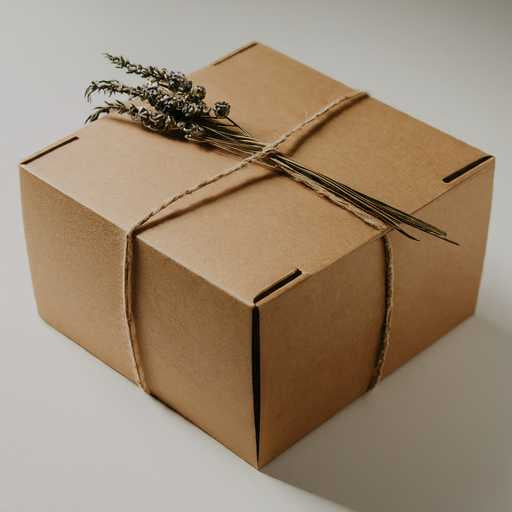
How to Ship a Birthday Cake
To ship a birthday cake, especially one decorated with candles or other toppers, dismantle and wrap the decorations separately. Freeze the cake if it has icing, following the steps outlined for iced cakes. Use a box with plenty of cushioning and mark the package as "fragile" to ensure careful handling by the shipping service.
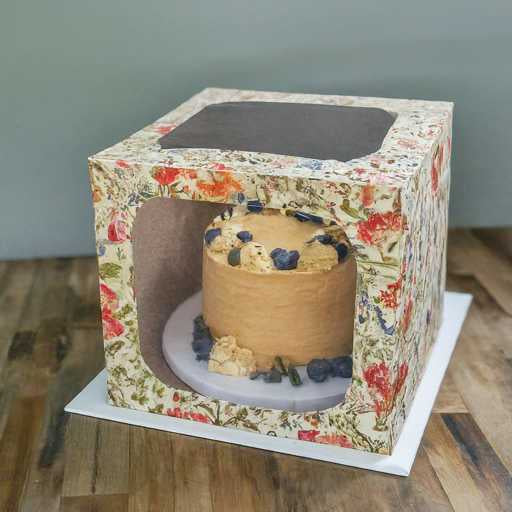

How to Ship a Frozen Cake
Freeze the cake until it's solid. Over-wrap in two layers of film plus foil, then load it into a vented EPS foam cooler inside a corrugated box, with dry ice around it but not touching it. UPS and FedEx plan on 5–10 lb of dry ice per 24 hours in transit; USPS allows 5 lb per box by air. Mark the box "Dry ice, UN 1845" with the dry ice weight in kg and the contents, and add a Class 9 label for air. USPS also requires a Shipper's Declaration for dry ice sent by air; FedEx doesn't when dry ice is the only dangerous good. UPS accepts dry ice only through its shipping systems, such as WorldShip or CampusShip, and FedEx doesn't take it at drop boxes or FedEx Office locations. Send by overnight air and mark the outer carton “KEEP FROZEN.”
How Much Does it Cost to Ship a Cake?
Shipping a cake overnight with UPS or FedEx costs about $77 to $328 at October 2026 list prices, for a box that measures 15 x 15 x 10 in on the outside. That size leaves about 2½ in on every side of a 10 x 10 x 5 in cake box for a foam liner and gel packs. USPS, FedEx and UPS (at its daily rates) all bill it as 17 lb (2,250 cubic inches ÷ 139, rounded up) unless it weighs more, so measure the outside of your box.
| Service | Delivery | Zone 2 (up to about 150 miles) | Zone 5 (about 600 to 1,000 miles) | Zone 8 (about 1,800 miles or more) |
|---|---|---|---|---|
| FedEx Standard Overnight | Next business day | $77.03 | $227.61 | $269.24 |
| UPS Next Day Air Saver | Next business day | $77.83 | $233.00 | $273.79 |
| UPS Next Day Air | Next business day | $89.46 | $262.73 | $298.08 |
| FedEx Priority Overnight | Next business day | $90.48 | $260.74 | $295.84 |
| UPS Next Day Air Early | Next business day, early morning | $119.46 | $292.73 | $328.08 |
| FedEx First Overnight | Next business day, early morning | $121.48 | $291.74 | $326.84 |
| USPS Priority Mail Express, label bought online | 1–3 days | $81.53 | $158.79 | $183.68 |
| USPS Priority Mail, label bought online (no frosting or filling) | 2–3 days | $20.74 | $43.21 | $63.07 |
UPS and FedEx add fuel, residential ($7.00 UPS air, $6.95 FedEx) and dry ice ($8.55 UPS, $8.50 FedEx Express) fees, plus peak-season demand surcharges. USPS adds a perishable handling fee ($7.50 on Priority Mail Express, $15.00 on Priority Mail) and $7.50 for dry ice. Shipping insurance may not cover a cake that spoils: USPS won't pay claims for perishables that arrive melted or spoiled, and FedEx carries perishables at the shipper's risk for heat or cold damage.

Boxes listed by inside size are bigger outside and can bill at a higher weight. Our guide to estimating shipping costs walks through getting a quote. Arka's plain stock shipping boxes come in more than 60 sizes, starting at 25 boxes, and our custom shipping boxes are made to your dimensions: order 1 sample box, then production runs from 10 up to 10,000,000 units.
Cake shipping questions
How do you mail a cake?
To mail a cake, use USPS Priority Mail Express (1–3 days, money-back guarantee), or Priority Mail (2–3 days) if it has no frosting or filling; Ground Advantage takes 2–5 days, too long for a frosted cake. USPS takes perishable food at the mailer's own risk if it's packed to arrive before it spoils, and adds a perishable handling fee to each box.
Can you ship a cake to another state?
USPS, UPS and FedEx all carry cakes across state lines. For anything frosted or filled, use an overnight service and ship Monday to Wednesday so the box doesn't sit in a hub over the weekend. Tell the recipient when it's coming.
How do you ship a cake overnight?
UPS recommends Next Day Air for food, and FedEx recommends First, Priority or Standard Overnight for perishables. FedEx requires perishables to be packed to last at least 24 hours past the delivery commitment, so pack coolant for an extra day. From May to September, FedEx also suggests Hold at Location or Signature Required.
How do you mail a pound cake or bundt cake?
Dense cakes like pound cake ship better than sponge layers. Cool the cake completely, shrink-wrap it and fill a bundt's center with a food-safe foam plug or parchment so the ring can't flex. Pack it in a round tin with void fill. With no frosting or filling, it can go by USPS Priority Mail (2–3 days) or UPS 2nd Day Air, which UPS says may suit foods that need little temperature control.
Final Thoughts
Mastering how to ship a cake requires careful attention to packaging and shipping methods to ensure your cake arrives in perfect condition. Following expert guidance on safe packaging techniques, you can avoid common pitfalls and delight your recipients with a beautifully intact cake.
Additionally, for companies looking to streamline their shipping process, Arka offers custom packaging solutions that cater to the unique needs of shipping delicate items like cakes, ensuring they arrive safely and in style.
Sources
- USPS: Notice 123 price list (holiday prices in effect October 4, 2026 to January 16, 2027), Priority Mail Express, Priority Mail, Ground Advantage, Publication 52 sections 349, 511 and 513, Packaging Instruction 9A, and DMM 608 and 609 (read October 7, 2026)
- UPS: 2026 Daily Rates and Retail Rates (both updated September 7, 2026), How to ship food and Shipping with dry ice (read October 7, 2026)
- FedEx: Service Guide 2026 (updated September 11, 2026), How to ship perishables and How to ship with dry ice (read October 7, 2026)
- USDA Food Safety and Inspection Service: Mail order food safety (read October 7, 2026)
How we got these numbers
Prices are each carrier's published price for one package billed at 17 lb, read on October 7, 2026; UPS Next Day Air Early prices include its $30.00 surcharge. UPS and FedEx rows are account rates; UPS retail rates use a 166 divisor. Zone mileage bands are USPS's definitions, and USPS prices zone 1 (the same 3-digit ZIP area or up to 50 miles) lower; each carrier's zone chart gives your zone.